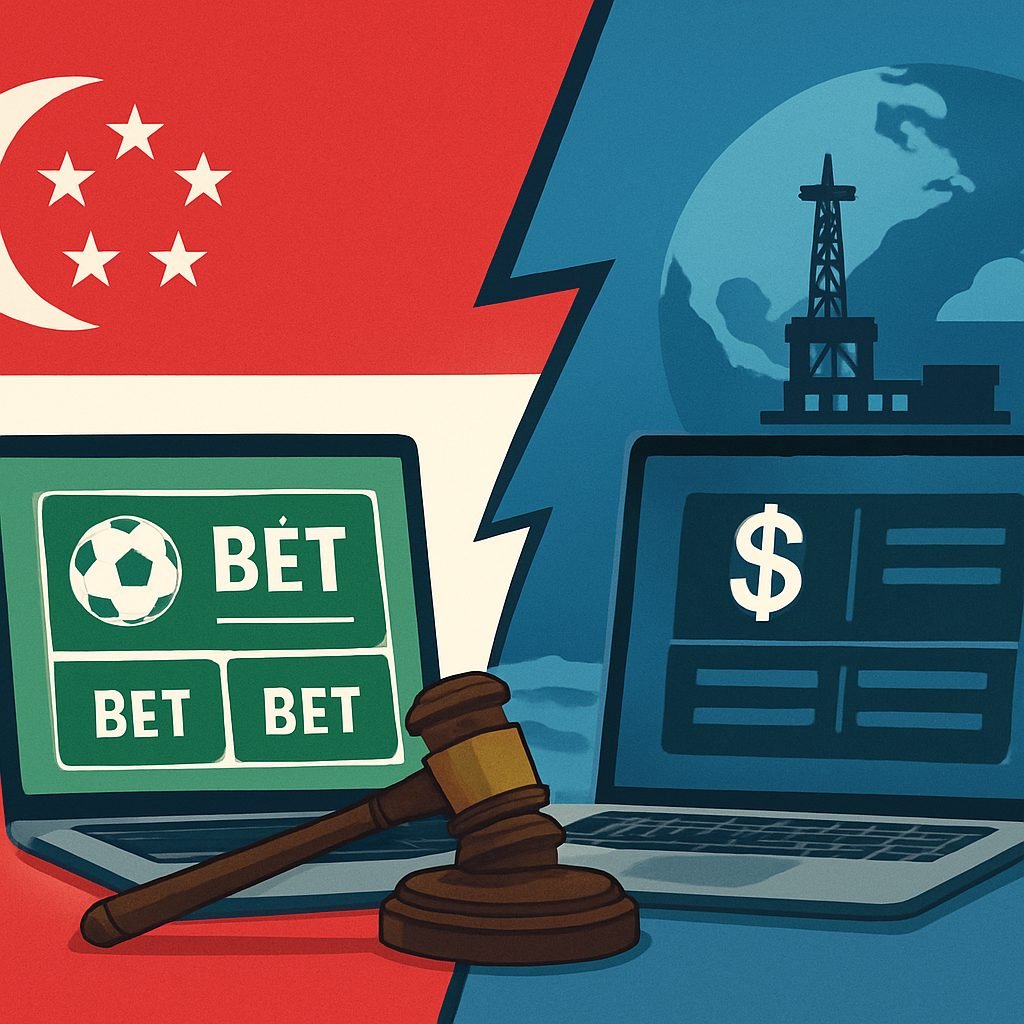
Online Betting in Singapore vs. Offshore Platforms: Legality and Safety Compared
Many Singapore bettors weigh convenience against legal and financial risk when considering offshore sites. Wondering whether online betting Singapore legal? This article compares local authorised channels such as Singapore Pools with common offshore operators, explains enforcement and payment risks, and gives a short checklist for verifying licences, withdrawals, and data security so you can choose safer options.
Singapore legal framework and what it means for bettors
Bottom line: online betting Singapore legal status is restrictive — the law focuses on restricting operators and advertisements, not routine prosecution of casual bettors, but that does not mean offshore betting is without material risk.
Key legal points from the Remote Gambling Act and GRA
Core rule: The Remote Gambling Act 2014 makes it an offence to provide remote gambling services to persons in Singapore and to advertise such services in Singapore unless authorised or exempted. See the full text at Remote Gambling Act 2014.
Regulator role: The Gambling Regulatory Authority of Singapore administers exemptions, enforcement, and guidance. Its site lists policy updates and is the authoritative place to check when in doubt: GRA.
Authorised channels are narrow. For most common products the legitimate local outlet is Singapore Pools for lotteries and sports draw betting, while physical casinos provide on‑site play under licensing rules. Outside those channels, operators must have explicit approval or face action.
Practical consequences for people who place bets
Enforcement emphasis and user exposure: In practice, enforcement prioritises providers and commercial promotion inside Singapore rather than casual bettors. That is not a green light. The real risks for users are financial: blocked payments, frozen withdrawals, weak dispute remedies and loss of personal data control when using offshore or unlicensed platforms.
Trade off to understand: Choosing an offshore platform often gives broader markets and live-betting features, but it trades away regulatory protections, local dispute avenues and predictable payment behaviour. That trade off matters more than abstract legal exposure because it determines whether you can recover funds or escalate complaints.
Concrete example: A Singapore resident places a live football bet on an offshore sportsbook licensed in Malta. The operator accepts deposits by card but later delays withdrawal requests citing KYC checks. The user discovers the operator is slow to respond and the card issuer will not reverse settled gaming charges easily. Even though prosecution risk for that user is low, financial recovery becomes difficult and time consuming.
- When authorised is best: Use Singapore Pools or in-venue casino options where product scope is sufficient and you prioritise clear complaint channels.
- When offshore may be tolerable: If you need specific markets or betting products not available locally, prefer operators licensed by robust regulators such as the UK Gambling Commission or Malta Gaming Authority and confirm their registration on the regulator portal.
- When offshore becomes unacceptable: Avoid operators licensed only in jurisdictions with weak oversight or opaque corporate structures because dispute resolution and auditability are likely to fail when problems arise.
Common misunderstanding: Many bettors assume that a foreign licence equals full consumer protection for Singapore users. That is not correct. A UKGC licence brings stronger controls and independent dispute options compared with lesser licences, but cross-border enforcement is still limited and does not remove banking and recovery headaches for Singapore residents.
Next consideration: Before you deposit, check licence details on the regulator site, confirm withdrawal terms, and weigh whether product variety is worth the loss of local protections. For local options and product comparisons see GGLBETSG sportsbook, roulette and slots pages: Sportsbook, Roulette, Slots.
Who are offshore platforms and how their regulation differs
Offshore platforms are not a single thing; they are a spectrum of operators that vary wildly in regulation, governance, and consumer protections. Some are global brands operating under strong European licences, others run under lower-tier registries that focus on ease of market access rather than player protection.
What differentiates a solid licence from a weak one
Regulatory obligations matter in practice. Strong regulators such as the UK Gambling Commission and the Malta Gaming Authority require segregation of player funds, AML controls, independent audits, transparent complaint routes, and enforceable sanctions. Lower-tier licences – for example those issued through some Caribbean or small EU registries – typically demand less oversight and have weaker enforcement mechanisms.
| Common licence type | Typical protections and limitations |
|---|---|
| UK Gambling Commission or Malta Gaming Authority | High transparency, independent audits, clear dispute escalation, usually quick regulator intervention for major breaches |
| Mid-tier European licences | Moderate oversight, varying enforcement speed, sometimes limited local consumer support |
| Lower-tier registries (eg Curacao-style) | Minimal public enforcement traces, licence-holder registry is often just a commercial registry, dispute resolution weak or slow |
Practical insight: a licence name is a headline, not a guarantee. Even a UKGC licence helps, but cross-border complexity still affects real outcomes for a Singapore customer – think jurisdictional limits on injunctive relief and the practical ability to seize assets if an operator becomes insolvent.
Operational differences that change risk for Singapore users
- Consumer complaint routes: Reputable regulators publish complaint processes and statistics; weak licences often rely on the operator to resolve disputes with no independent escalation.
- Financial safeguards: Top-tier licences require segregation of player funds and proof of solvency; lower-tier ones rarely publish these controls.
- Responsible gambling tools: Self-exclusion, deposit limits, and verified support channels are standard with strong regulators and patchy with weaker ones.
- Corporate transparency: Larger regulated firms show corporate structure, addresses, and audited accounts; some offshore sites hide ownership behind shell companies, making recovery or legal action difficult.
Trade-off to accept: offshore platforms often offer broader markets, higher limits, or more favourable odds, but you trade those benefits for reduced enforceability and higher chances of delayed or refused withdrawals if disputes arise. That trade-off is material for bettors in Singapore where banking and payment friction is common for offshore play.
Concrete example: a Singapore bettor places live EPL bets through a UKGC-licensed operator such as Betfair or Bet365 and later disputes a voided market. The bettor can escalate to the regulator and has a public record and mediation framework. By contrast, a user who deposits on a Curacao-licensed site to chase higher odds may face an internal-only complaints process, long delays, and limited external recourse if the operator withholds funds.
Common misunderstanding: many users assume any offshore licence equals protection. In practice, licence shopping exists – operators pick the most convenient regulator for market access. That matters because regulators differ on how aggressively they pursue consumer remedies and whether their rulings will help customers outside their own jurisdiction.
Where to check: confirm licence entries on the regulator site (see UK Gambling Commission and Malta Gaming Authority), look for published audit reports, and verify corporate details. Also compare supported payment rails and withdrawal policies before you deposit – those operational details often reveal more about risk than a licence badge alone.
Legality comparison: visiting and betting on offshore sites from Singapore
Direct legal exposure is usually aimed at operators, not casual bettors, but that does not mean visiting or placing bets on offshore sites is without consequences. The phrase online betting Singapore legal captures the confusion: Singapore law separates provision and advertising of remote gambling from the act of clicking a bet. That separation shapes how enforcement plays out in the real world and what risks you actually face when you use an international sportsbook from Singapore.
How enforcement looks in practice
Enforcement priorities focus on service providers and payment pathways. Regulators and banks act where yield is highest – stopping operators from targeting Singapore customers, removing ads, and blocking payment rails. See the Remote Gambling Act and current guidance from the Gambling Regulatory Authority for the statutory backdrop and examples of targeted enforcement Remote Gambling Act 2014 and GRA.
Practical consequence: if an overseas operator markets directly to Singapore or sets up local payment arrangements they will attract priority enforcement. If a site simply allows visitors from Singapore without actively targeting the market, the operator is still exposed but actions taken may be different – usually payment disruption or advertising takedowns rather than immediate criminal prosecutions of individual customers.
What that means for an individual bettor
Individual criminal prosecution is uncommon but material non-criminal risks exist. In practice the immediate harms are financial and procedural: frozen deposits, refused withdrawals, account closures, and very weak local remedies if a dispute goes bad. You also face hidden friction – banks decline transactions, payment providers flag accounts, and your ability to recover funds through local channels is limited.
Tradeoff to accept: offshore platforms can offer better odds or products, but choosing them trades legal clarity and consumer remedies for convenience and variety. If dispute resolution matters to you, choose operators regulated by strong authorities such as the UK Gambling Commission or the Malta Gaming Authority rather than low-tier licences with limited enforcement mechanisms.
Concrete Example: A Singapore bettor registers with a UKGC-licensed sportsbook to wager on a Premier League match. After winning a mid-size sum the operator requests enhanced KYC and a credit-card verification. The bettor uses a Singapore bank card; the bank flags the payment under its policies, delays processing, and requests documentation. Resolution requires coordinated action between the bettor, the operator, and possibly the UKGC. That process can take weeks and may end with the operator holding funds pending verification – a practical headache even when the operator is reputable.
Counter example: A bettor uses an operator licensed only in Curacao, wins, and then faces sudden withdrawal delays and evasive customer service. Because the licence regime offers limited independent dispute resolution and the operator lists foreign corporate structures, recovering funds is often expensive or impossible. The legal distinction between reputable and weak licences matters in practice, not just on paper.
- Terms and jurisdiction matter. Many offshore sites include clauses choosing foreign law and dispute forums that are impractical for a Singapore resident to use.
- Payment friction is the most likely operational problem. Expect card declines, additional verification, or transaction reversals if your bank objects.
- Facilitating bets or operating lines locally changes risk profile. Acting as an agent, running a tipster service, or advertising offshore services into Singapore moves you from consumer to potential offender.
A practical mitigation that often gets overlooked: before depositing, open the operator licence record on the regulator site and copy the licence number into a timestamped screenshot. That step is cheap but crucial if you later escalate a complaint to an overseas regulator or to your bank.
Highlight: Using an offshore site does not automatically make you a criminal, but it raises financial, recovery, and procedural risks that are real and measurable.
Next consideration: if you need alternatives that preserve consumer protections and product variety, compare local options and local-facing platforms such as GGLBETSG sportsbook and casino pages for regulated pathways and transparent payment terms Sportsbook Online Betting, Roulette Live Tables, Online Slots Singapore.
Consumer protections and dispute resolution: local versus offshore
Key point: Consumer protection for betting in Singapore is not uniform – the strength of remedies depends on who issued the licence, the operator presence in any jurisdiction, and the payment rails used.
What protections look like on each side
Local authorised channels: Operators serving Singapore under clear domestic arrangements provide the most straightforward dispute path. Singapore Pools and regulated in-venue casinos operate under local oversight; complaints move through local channels, and banks and regulators here can act directly on evidence.
Reputable offshore regulators: Licences from the UK Gambling Commission or Malta Gaming Authority usually carry formal complaint procedures, independent review, and published standards for fairness and anti-money laundering. Those regulators can require operators to cooperate and can order remedies, but their jurisdictional power over assets and enforcement is still cross-border and therefore slower.
Low-tier offshore licences: Operators licensed only in low-regulation jurisdictions for example Curacao offer internal complaint processes that often lack independent enforcement teeth. In practice many players find complainant outcomes are uncertain and long drawn out.
| Operator type | Oversight and complaint route | Typical remedies | Practical limits |
|---|---|---|---|
| Singapore Pools / local authorised | Local regulator and domestic dispute channels; banks can assist | Refunds, payout enforcement, clear recourse to consumer bodies | Limited to products they actually offer |
| UKGC / MGA licensed offshore | File complaint with operator then with regulator; regulator investigation | Reversal of unfair decisions, fines, licence sanctions | Cross-border enforcement delays; effectiveness depends on operator assets |
| Curacao or equivalent low-tier licence | Internal complaint process; regulator role limited | In practice minimal formal remedies; operator discretion | Regulator lacks strong enforcement; recovery often impractical |
Practical insight: The name on a licence matters, but the licence is not a guarantee. A UKGC or MGA licence raises the probability that disputes will be reviewed impartially. That still requires the operator to be solvent and to hold funds accessible to the regulator or courts.
How to escalate a dispute – practical steps
- Collect evidence first: Save screenshots, transaction IDs, chat transcripts, T and C sections, and timestamps immediately after any problem emerges.
- Use the operator process: File a formal complaint with the platform and ask for a complaint reference number; keep that correspondence.
- Contact the licensing regulator: If the operator is UKGC or MGA licensed, escalate using the regulator complaint form and reference the operator complaint number.
- Talk to your bank or card issuer: Ask about chargeback options and timelines; banks are frequently quicker than cross-border regulators at recovering funds where fraud or clear nonpayment occurred.
- Escalate locally if needed: For breaches affecting Singapore residents, notify the Gambling Regulatory Authority via GRA and consider consumer bodies such as CASE for guidance.
Concrete example: A Singapore bettor deposits SGD 1,000 with a casino licensed only in Curacao after activating a high-value bonus. When the bettor requests withdrawal the operator delays then refuses citing vague bonus abuse. The bettor files the operator complaint and waits weeks with no resolution. The regulator in Curacao responds slowly and cannot force a quick payout. The bettor eventually opens a chargeback with the issuing bank using KYC and transaction logs, which leads to partial recovery. The same dispute routed through a UKGC-licensed operator would likely have reached a regulator investigation faster and imposed an operator remedy.
Tradeoff to accept: Choosing broader product choice on offshore sites often reduces your practical ability to recover funds if things go wrong. That is the price of market variety. If you prioritise remedy clarity and enforceability over exotic markets or large bonus offers, favour licensed operators with reputable regulators or local authorised channels.
Do not treat a licence name as a warranty. Confirm licence details on the regulator website and check that the operator shows verifiable corporate and banking information before depositing.
Safety checklist for vetting any betting site
Start here: you cannot rely on brand recognition or slick marketing to judge safety. Treat every site as a counterparty holding your money and personal data — then run this checklist before you deposit a cent.
Quick pass/fail checks (do these first)
- Licence visibility: find a licence number on the site and confirm it on the regulator registry such as the UK Gambling Commission or Malta Gaming Authority. If the licence cannot be found in the regulator search, fail the site.
- Secure connection and identity: verify an active SSL padlock, a corporate WHOIS or registry entry that matches the site, and that the site displays a real corporate address and company name.
- Withdrawal policy spelled out: check maximum withdrawal times, fees, and any tiered KYC triggers. If the site buries withdrawal terms in long T&Cs, treat that as a red flag.
- Transparent payment rails: accepted cards, established e-wallets, and clear processor names are good; reliance on opaque agents, nonstandard wallets, or crypto-only funding increases recovery risk.
Deeper-dive verifications (do these before larger deposits)
- Audit and fairness evidence: look for independent audit seals such as eCOGRA, published RTP reports for casino games, or provably fair mechanics for crypto games. Absence is acceptable for small bets but unacceptable for sustained play.
- Ownership chain and licence history: check corporate filings or mentions of parent groups. Operators that shuffle licences, domain names, or corporate identities are attempting to avoid accountability.
- Customer-service test: open a support ticket and ask a specific question about withdrawals or account closures. Measure response time and whether they provide named escalation contacts.
- Complaints and payout history: scan Trustpilot, Reddit, and regulator dispute pages. Focus on recent patterns of non-payment or account freezes rather than isolated bad reviews.
- Odds and market integrity: for sports betting, compare live odds and market depth against reputable sites. Unexplainable prices or missing markets can indicate automated pricing systems that refuse valid claims.
Practical trade-off: tighter KYC and slower onboarding are annoying but they reduce fraud and make withdrawal disputes resolvable. If your priority is speed over safety, accept the reduced recovery options and higher fraud exposure.
Concrete Example: a Singapore user checked a UKGC-licensed sportsbook after seeing slow withdrawal reports elsewhere. They confirmed the licence via the UKGC register, tested customer support with a small deposit, and documented the ticket and payment receipts; when a pending payout was delayed, those logs forced the operator to escalate and release funds within 72 hours.
Operational red flags that matter in practice: repeated domain changes, missing merchant processor names on deposit pages, T&Cs that allow the operator to void bets for nebulous reasons, or tech that blocks account export or transaction histories. These create practical barriers to dispute resolution even if a regulator exists.
If a site fails one of the Quick pass/fail checks, treat it as unsafe for meaningful deposits.
Documentation habit: always screenshot deposit confirmations, withdrawal requests, and chat transcripts. Regulators and payment processors will expect evidence; without it your recovery options shrink from possible to impossible.
Local alternatives and verification help: when you want the simplest legal and consumer-protection profile, prefer authorised local channels like Singapore Pools or a verified local-facing sportsbook listing such as our Sportsbook page. Use those products if you need the clearest dispute paths.
Next consideration: once the checklist returns green, keep initial stakes small while you confirm withdrawal behaviour over at least two cycles; that practical test reveals operational problems faster than any registry check.
Payments, banks, and data security risks for Singapore users
Key point: Payment method choice is the single biggest operational risk when using offshore betting sites from Singapore — it determines how easily you can lose money, recover it, or trigger bank scrutiny.
How banks and payment processors react
Practical reality: Singapore banks and major card networks will flag or block transactions that look like payments to unauthorised remote gambling merchants. Under the Remote Gambling Act and related regulator guidance, banks are sensitive to AML and regulatory risk and will often decline or reverse such transactions rather than process them quietly. See Remote Gambling Act 2014 and GRA guidance for the legal context.
Trade-off: using mainstream rails (credit/debit cards, established e-wallets) gives you dispute and chargeback options but increases the chance of a declined transaction or a frozen account. Using alternative rails (cryptocurrency, informal payment agents) lowers bank interference but removes chargeback and recovery options and materially raises fraud risk.
Payment methods, their failure modes, and what to expect
- Bank card / bank transfer: Widest consumer protections via chargebacks and bank support, but higher likelihood of transaction blocks and account flags; banks may require explanation or freeze funds pending review.
- Established e-wallets (PayPal-style regional wallets): Faster withdrawals and some dispute processes if the operator is reputable; many e-wallets will not onboard merchants they suspect of breaching local gambling rules.
- Cryptocurrency: Immediate settlement and censorship resistance but no refunds, no chargebacks, and extremely difficult evidence trails for recovery. Not a safety tool, it is a risk-shift to the user.
- Prepaid/virtual cards and payment agents: Often used to bypass bank blocks. They create opaque chains that make disputes and AML inquiries nearly impossible to resolve.
- Third-party intermediaries and escrow services: Claim to add protection but create counterparty risk; an intermediary can be insolvent or dishonest and will complicate legal recourse.
Judgment: If your priority is the ability to recover funds or dispute a payment, stay on mainstream, verifiable rails and accept you may hit processing friction. If your priority is avoiding friction, you accept a much higher chance of permanent loss and no legal recourse.
Data security risks specific to offshore platforms
Data exposure: Offshore operators vary wildly in how they store and protect personal data. Reputable operators publish encryption standards, KYC processes, and where data is hosted. Operators with weak licences or opaque ownership often use minimal security and store data in jurisdictions with weaker breach notification and consumer protection rules.
Legal nuance: Singapore has the Personal Data Protection Act. Local operators and Singapore-facing services have clearer obligations; offshore sites may not. That means if your identity or financial data is breached by an offshore site you face cross-border friction when trying to force disclosure or remediation.
Concrete example: A Singapore user deposits with a Visa card to an offshore sportsbook, later discovers unauthorised withdrawals. The bank initiates a chargeback for the card payment; the offshore operator disputes the chargeback and produces KYC screenshots showing the card used. The user regains the funds through the bank only after weeks of evidence. Contrast this with someone who deposits via crypto to an offshore casino and discovers theft — with no chargeback mechanism the funds are unrecoverable and tracing is costly and slow.
What to do — practical steps that reduce risk
- Prefer licensed, well-documented payment rails: Use bank cards or reputable e-wallets with licensed operators; this preserves chargeback and AML oversight which helps in disputes.
- Read the privacy and data residency policy: Confirm where data is stored and whether the operator posts breach notifications or independent audit reports.
- Document everything: Keep receipts, transaction IDs, screenshots of terms and deposit/withdrawal pages. These are the primary evidence banks and regulators use.
- Avoid anonymous or informal funding methods: Do not use agents, informal transfers, or direct crypto unless you accept permanent loss risk.
- Check regulator and licence details before deposit: Verify the operator on regulator registries and confirm payment processors named in their legal disclosures.
Next consideration: If you need alternative product choice, compare the incremental benefit against the loss of bank protections and the extra data exposure; if the offshore operator matters to you, verify licences on regulator sites and prefer operators that publish independent audits and clear withdrawal policies (see GRA for context and Singapore Pools for a local regulated option).
Practical recommendations and safer alternatives for Singapore bettors
Direct recommendation: prioritise legal safety and recoverability over chasing marginally better prices. The single biggest practical error I see is users choosing an unverified offshore site because it offers one exotic market or a slightly higher in-play price, then losing the ability to recover deposits or resolve disputes when something goes wrong. Online betting Singapore legal concerns are not just theoretical – they change what remedies are available if a platform withholds funds.
Immediate actions before you deposit
- Confirm oversight: verify the operator licence on the regulator site – for local channels check Gambling Regulatory Authority and for offshore operators check the UKGC or MGA registries when those licences are claimed.
- Limit exposure: set a realistic deposit limit and a single-session loss cap in the account settings or via your bank card provider before funding the account.
- Lock account protections: enable two factor authentication and add account-recovery emails and phone numbers you control; use a unique password manager entry.
- Document everything: take screenshots of sign-up pages showing licence details, bonus T C s, and the withdrawal terms before you deposit; save transaction receipts and chat transcripts.
Practical tradeoff: choosing a locally authorised product like Singapore Pools or a reputable UKGC-licensed sportsbook means narrower product choice but clearer complaint routes and simpler banking. If you accept broader markets on offshore sites you must accept slower dispute resolution, potential payment blocks, and higher friction getting your money back.
When an offshore site is the only practical choice – risk-minimising checklist
- Prefer strong licences: only consider operators regulated by recognised authorities such as the UK Gambling Commission or Malta Gaming Authority; avoid operators licensed solely in weaker jurisdictions.
- Check audit and RTP transparency: for casino and slots look for independent auditor seals such as eCOGRA and published RTP reports; absence of audits increases non-payment risk.
- Use reversible payment rails: prefer credit or debit cards and major e wallets with chargeback or disputes processes over crypto or informal agents which are final and opaque.
- Small first deposit: test withdrawal by depositing a small amount, placing a small bet, then requesting a withdrawal to confirm KYC and processing times before committing larger funds.
- Confirm withdrawal timelines and limits: note processing windows and max payout caps in writing; the longer the stipulated withdrawal time the higher the operational risk.
Concrete example: a Singapore bettor wants live e sports betting not offered locally. They choose a UKGC-licensed sportsbook, deposit S G D 50 by card, enable 2 F A, place small wagers while tracking how long withdrawals take, and only increase stakes after a successful S G D 50 withdrawal. They also keep copies of the operator licence page and all payment receipts to speed any complaint.
What often gets missed: people treat bonus offers as pure value. In practice aggressive bonus terms are a frequent route to withheld funds – look for realistic rollover conditions and clear wagering calculations. A larger bonus with restrictive rules is often worse than a smaller, cashable offer from a reputable operator.
Final consideration: there is no perfect choice. Local authorised options reduce legal and recovery risk but limit markets. Reputable offshore operators expand product choice but shift burden onto the user to verify licences, payment paths, and withdrawal behaviour. Make that tradeoff deliberately, keep bets proportional to tested withdrawal behaviour, and document every step so you have a realistic path to resolution if the operator fails to pay.